
If you’re trying to make it on one income, you already know the pressure. Every dollar counts, unexpected expenses pop up at the worst times, and somehow the budget still never quite adds up at the end of the month. But here’s what you need to hear: it’s absolutely possible to not just survive but actually thrive on a single income—you just need a budget that’s built on reality, not wishful thinking.
When you’re looking to create a budget that’ll actually stick, you can’t just copy someone else’s percentages or download a generic spreadsheet and call it done. Your budget needs to be based on your actual life, your real expenses, and what your one paycheck can honestly cover. Think of it less like a crash diet and more like a sustainable eating plan—something you can keep up long-term without burning out.

Table of Contents
Why Most Single-Income Budgets Fail
Before we get into the how-to, let’s talk about why so many budgets fall apart in the first place. Most budget advice assumes two incomes, plenty of wiggle room, and a cushion for when things go sideways. When you’re working with just one paycheck, those assumptions fall flat pretty fast.
The median U.S. household income sits around $83,700, but that’s spread across all household types. When you’re a single-income family with kids, housing costs in your area, and maybe some debt, that number looks a lot different. Factor in that raising just one child to age 17 can cost over $310,000—and some analyses put the annual cost per child anywhere from $20,000 to $30,000 depending on your state—and suddenly those “simple budgeting tips” feel pretty unrealistic.
Your budget needs to account for these big-picture realities while still leaving room for you to actually live your life.
What Makes a Budget Actually Realistic
A realistic budget starts with truth-telling. You’ve got to look at what you’re actually spending, not what you think you should be spending or what some expert says families “should” allocate to groceries.
Pull up at least one to three months of your bank statements and credit card transactions. Yes, all of them. The streaming subscriptions, the Amazon orders, the drive-thru stops, the kids’ activity fees—everything counts. This isn’t about shame, it’s about information. You can’t fix what you can’t see, and those little expenses add up faster than you’d think.
Once you’ve got a clear picture, you’ll want to organize everything into categories. If you need help getting started, check out how to organize your spending categories—having a system makes this whole process so much easier.
DON’T MISS IT!
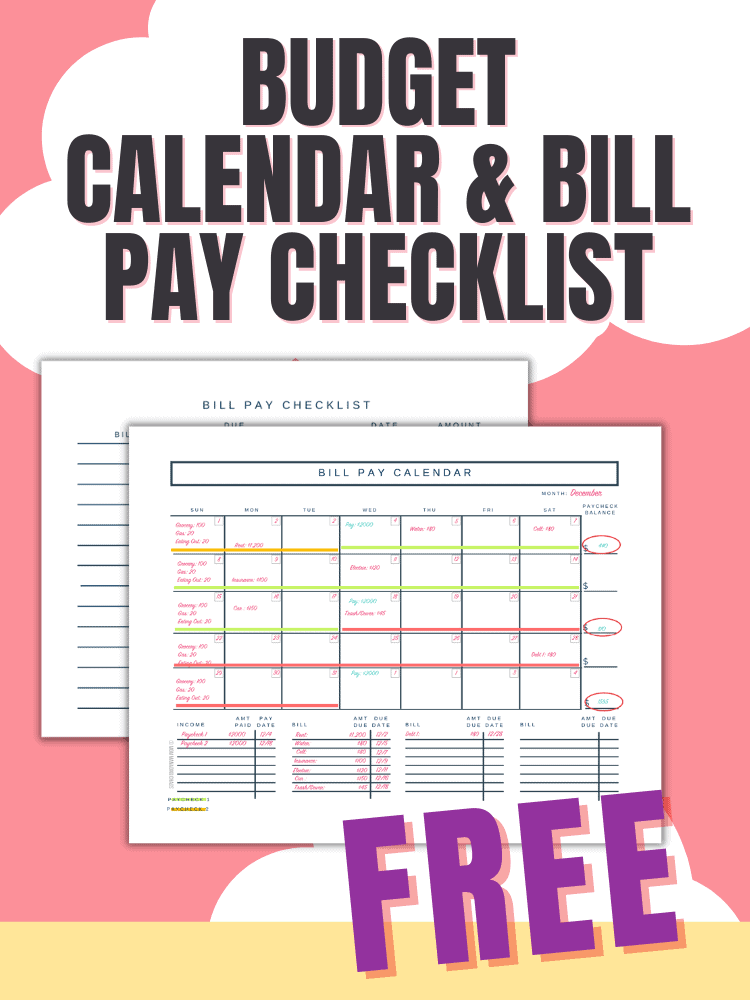
Drop your email address below to grab your free Budgeting Calendar and join a community of 36K other busy budgeters!
By entering your email address, you are agreeing to our Privacy Policy and European users agree to the data transfer policy.
Building Your Single-Income Budget Step-by-Step
Step 1: List Your Real Monthly Income
Start with what actually hits your bank account. That’s your net pay after taxes, not your gross salary. If you get child support, benefits, or money from a side gig, include that too—but only if it’s consistent and reliable. Don’t budget money you might get.
Step 2: Cover Your Four Walls First
Dave Ramsey calls these your “four walls”—the absolute essentials that keep your family safe and functioning. These get top priority in your budget, no exceptions:
- Housing (rent or mortgage)
- Utilities (electric, water, gas, internet for work/school)
- Food (groceries, not restaurants)
- Transportation (car payment, insurance, gas to get to work)
Add in minimum debt payments and insurance premiums here too. If your single income doesn’t comfortably cover these basics, that’s a red flag that bigger changes might be needed—things like downsizing housing, dropping to one car, or finding ways to increase income. Cutting expenses in these categories can make the biggest impact on your budget.
Step 3: Build Sinking Funds for Irregular Expenses
This is where most single-income budgets fall apart. Car repairs, medical co-pays, school supplies, holiday gifts, car registration—these aren’t emergencies, they’re just irregular. But when you’re not planning for them, they feel like disasters.
Take each irregular expense, figure out roughly how much it costs per year, then divide by 12. That’s how much you need to set aside each month. Even if you can only save $20 or $30 per category, it’s better than being blindsided when the bill comes due. You can track these easily with a monthly bill payment log to stay organized.
Step 4: Divide What’s Left
After essentials and sinking funds, look at what you’ve got remaining. This is where you get to choose how to allocate between:
- Fun money (yes, you need this—burnout is real)
- Extra debt payments beyond minimums
- Emergency fund savings
If you’re looking at these categories and realizing there’s nothing left, that’s actually helpful information. Now you know you need to either increase income or make deeper cuts to spending. It’s not fun, but it’s honest.
For families trying to stretch a dollar on one income, every little bit helps—and knowing exactly where you stand is the first step.
High-Impact Moves That Actually Make a Difference
When you’re working with one income, you don’t have the luxury of throwing money at problems or making lots of tiny cuts that barely register. You need changes that move the needle.
Housing and Transportation: Your Biggest Levers
These two categories eat up the biggest chunk of most family budgets. Even a 10% reduction in either one can free up serious cash. Some options to consider:
- Moving slightly further from the city center for lower rent
- Downsizing to a smaller place
- House-hacking (renting out a room or basement unit)
- Dropping to one car and using cheaper transportation options
- Refinancing if rates have dropped
These are big changes, sure, but they create breathing room in ways that skipping lattes never will.
Trim the Recurring Bills
Go through every monthly subscription and recurring charge. Ask yourself: would I pay for this again right now if I had to? Insurance, cell phones, internet—call and negotiate these. Companies often have unadvertised discounts or retention offers. Walmart’s savings programs and similar strategies can also help reduce your regular expenses.
Make Food Work Smarter
Grocery spending is one area where you have total control and lots of flexibility. Shop store brands, meal plan around sales, cook at home, batch meals, and use every leftover. These aren’t revolutionary ideas, but they work because food costs add up so fast. Check out cheap and easy family dinners for budget-friendly meal ideas that your family will actually eat.
Consider pantry meals when you need to stretch your budget between paychecks, and learn how to save money on meat since protein is often the priciest part of your grocery bill.
Keeping Your Budget Sustainable Long-Term
A budget you can’t stick to for more than a month isn’t really a budget—it’s a punishment. Here’s how to make yours last.
Set Actual Goals
Why are you doing this? “Because we have to” isn’t motivating when you’re tired and want to order pizza. Maybe you’re working toward:
- Paying off that credit card
- Building a $1,000 starter emergency fund
- Saving three to six months of expenses
- Planning a family vacation
Having specific goals makes the daily choices feel purposeful instead of restrictive. You’re choosing something better over something right now.
Track Your Spending Weekly
Don’t wait until the end of the month to check in. A quick weekly review lets you catch problems early and adjust before you blow the whole budget. Use an app, a simple spreadsheet, or a printable—whatever you’ll actually use consistently. The cash envelope system works great for this if you prefer a more tactile approach.
Do Monthly Money Dates
Once a month, sit down (with your partner if applicable) and review everything. What worked? What didn’t? Did income or expenses change? Life isn’t static, so your budget can’t be either. Adjust as you go and don’t beat yourself up when things don’t go perfectly. Progress, not perfection.
Build That Emergency Fund
On a single income, an emergency fund isn’t optional—it’s critical. Without it, one job loss, medical bill, or car breakdown can push you straight into high-interest debt. Start with $1,000, then build toward three to six months of expenses. Even if you can only save $25 a month, you’re still moving forward.
The Bottom Line
Creating a realistic budget on a single income isn’t about deprivation or never having fun. It’s about being intentional with every dollar because you don’t have extra ones to waste. It’s about protecting your family’s security while still leaving room to breathe.
Your budget will look different from your neighbor’s or your sister’s or that influencer’s on Instagram. That’s exactly how it should be—because this is your life, your income, and your priorities.
Start where you are, use what you have, and give yourself grace as you figure this out. Building financial stability on one income is absolutely possible, but it takes time, honesty, and a budget that’s built for your real life—not some theoretical perfect family that doesn’t actually exist.
You’ve got this.